Lockdown Life Has Its Advantages

The 2020 pandemic lockdown was a globally historic event, and one that created a groundswell of resentment and lasting antipathy. So naturally many writers and artists steer clear of referencing the era that seemingly everyone wants to forget. But such a unique historic event is also fertile setting for creative storytelling. Author Sennya Mihagi took advantage of the narrative irony of social distancing that simultaneously placed some people closer together for longer times than ever before. Mihagi’s story uses a lockdown scenario as a jumping-off point to tell a cute, albeit conventional, romantic sitcom story. The Lockdown Life with the Class Beauty light novel series debuted in 2022 and was adapted into a manga beginning in 2024. One Peace Books will officially bring the manga adaptation to English-speaking readers in November 2026.
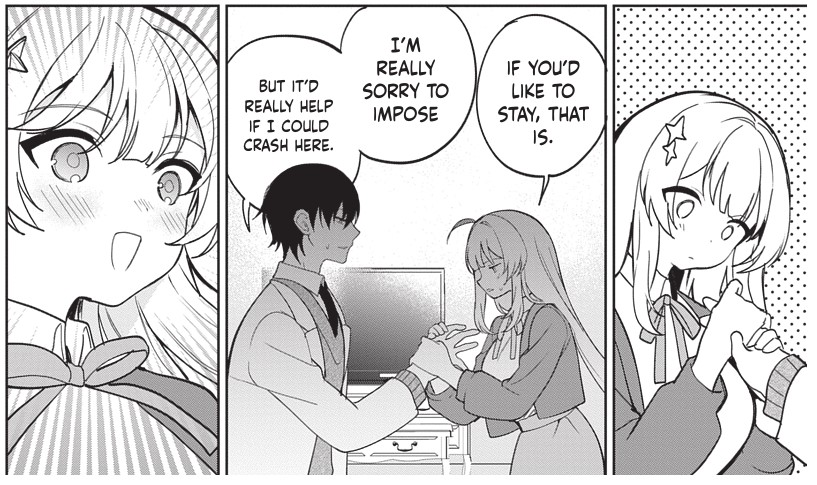
The emergence of a highly-contagious virus forces the temporary closure of high school student Kanata Yoshino’s dormitory. The even more inconvenient problem is that no one remembered to tell Kanata that he’d been banned from his homestead. With no options open to him and no friends to rely on, Kanata decides that he’ll just have to sleep on the streets. Then he bumps into his classmate Haruka Hoshikawa, a school idol and social elite whom Kanata had always presumed way out of his league. Since school would be switching to remote learning, and Haruka claims to be technology illiterate, she offers Kanata a win-win situation: move in with her and complete their classes together online. Thus begins a charming courtship of comical blunders and stumbling courtship.
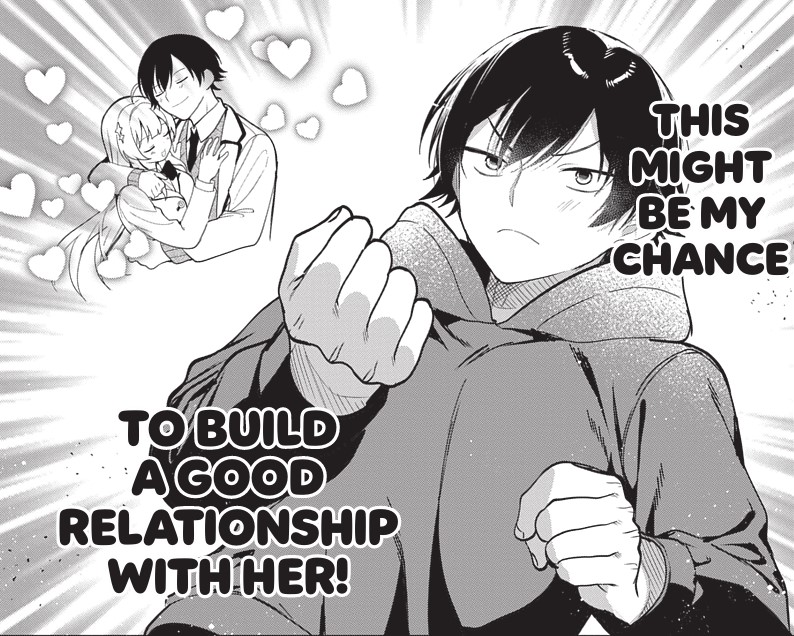
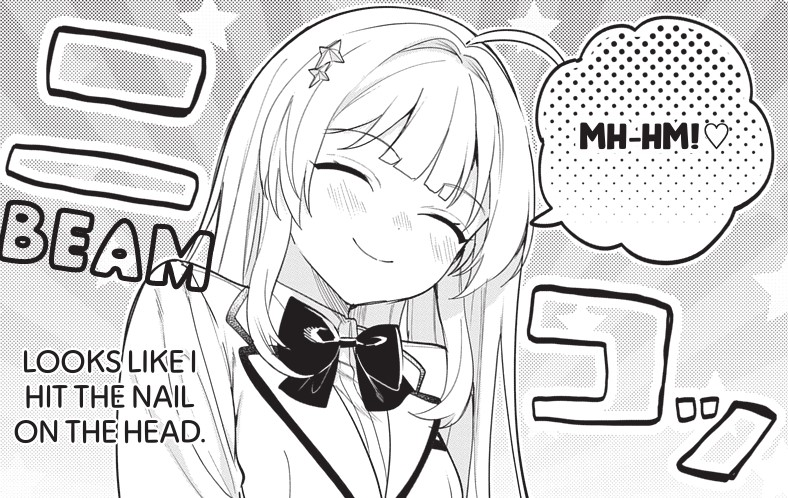
The first volume of Jaguchi’s manga adaptation of Sennya Mihagi novels contains the first five manga chapters. Jaguchi’s illustration, based on the original novel illustrations by Sato Pote, has a clean, expressive anime-influenced design reminiscent of traditional shoujo art but not swamped in screen-tone and roses. Panel layouts are creative, often using large, cinematic panes and effective visual stylization to express mood. Backgrounds are a bit minimal, but as much of the story occurs indoors, the lack of highly detailed backdrops isn’t distracting. As the story is, after all, a romantic story about two teenagers, the story does include some light references to sexuality and one prominent panel of non-graphic nudity. But the story is largely as chaste as the two lead characters who are attracted to each other but are both too timid and embarrassed to act out their feelings. The first four chapters devote plenty of time to introducing Kanata and Haruka and establishing the full context of their situation. The fifth chapter begins to open up the story by introducing Natsuki Hisaka, Haruka’s possessive and protective friend who rapidly begins to suspect a strange relationship between Harkua & Kanata.
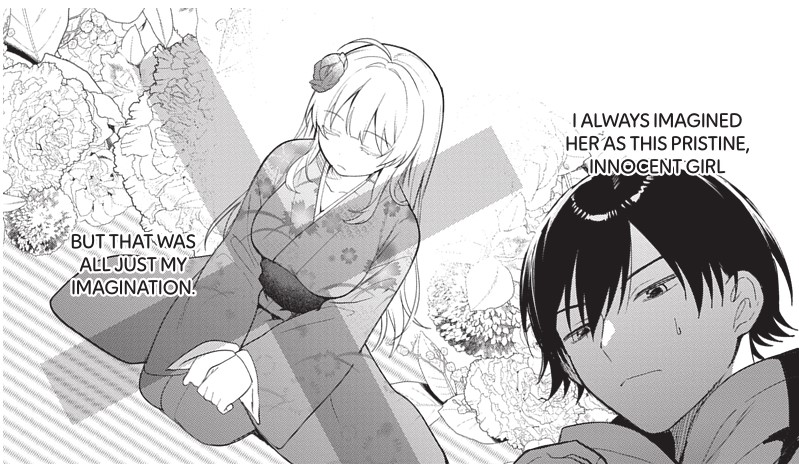
Standard for One Peace Books translations, the initial three color pages of the Japanese serialization and the color second chapter title page are rendered in monochrome for the domestic release. Also typical of One Peace Books’ translations, different fonts are used to distinguish different speakers or changes in inflection. However, the subtle contrasts in this book are usefully effective and don’t feel arbitrary or confusing at all. While the translation by Chris Craigo is natural and fluid, the localization of the art may rattle the most ardent manga purists. Noticeable Japanese text is retained and translated, and about half the time original Japanese sound effects within the illustration are retained and translated in-panel. But a healthy percentage of “giongo,” the original Japanese visual sound effects, have been replaced by English equivalents. The alteration is subtle enough that most readers won’t notice the changes, and for the purpose of translation, the revisions are effective.
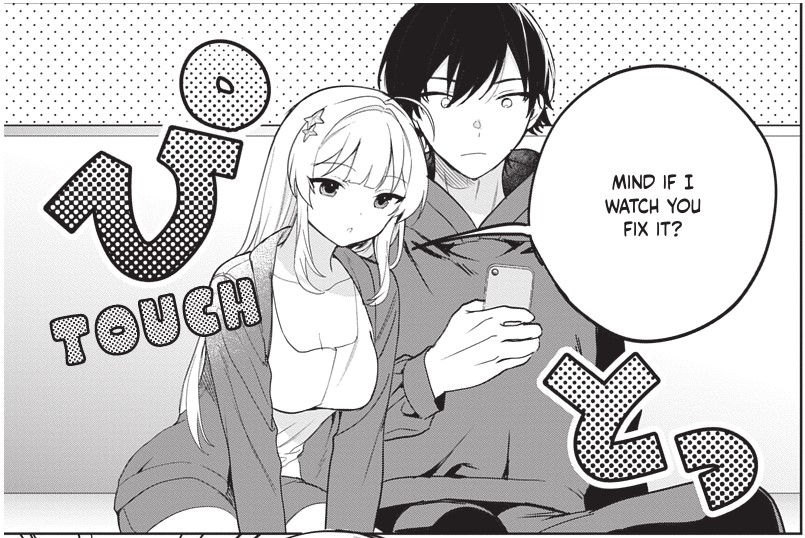
A percentage of readers with unpleasant reminiscence of the COVID lockdowns will reflexively recoil from Lockdown Life with the Class Beauty based on its title alone. But a knee-jerk reaction is a personal disservice as this manga series concentrates on the “class beauty” while the “lockdown life” is little more than a passing reference, a background detail that allows for the story’s setting. Haruka Hoshikawa is a charming leading young lady. Protagonist Kanata Yoshino has just enough rounded personality to make him slightly more believable and empathetic than the typical milquetoast manga leading man. Readers who have enjoyed manga including A Couple of Cuckoos (Kakkou no Iinazuke) & A Galaxy Next Door (Otonari ni Ginga) will find a similar tone and romantic charm in this manga. Lockdown Life with the Class Beauty doesn’t reinvent the wheel. It’s not groundbreaking nor revolutionary, but it is pleasant with some sparks of honest charm.

Related Posts


About The Author
